
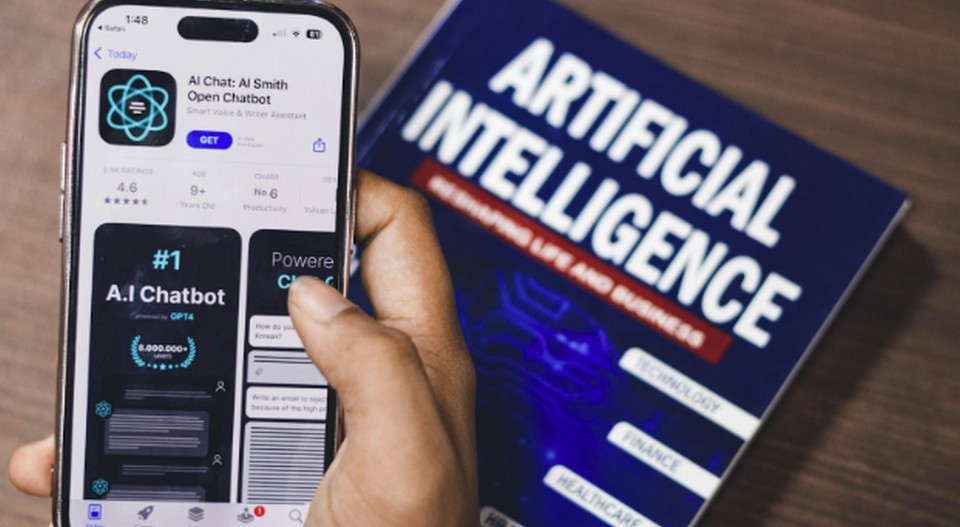
A recent study revealed that people who use chatbots for banking and consumer services are more likely to interact with these digital assistants on multiple occasions (70%) than retail users (58%).
This statistic underscores the growing preference for chatbots as a convenient and efficient way to interact with businesses across various industries, including the dynamic world of commerce.
In the financial sector, chatbots and virtual assistants are emerging as powerful tools for traders looking to stay ahead of the curve.
These intelligent software programs, powered by artificial intelligence and machine learning, can provide real-time information, execute trades, and offer personalized advice, transforming the way we approach investment and risk management.
The Benefits of Chatbots and Virtual Assistants in Commerce
Chatbots and virtual assistants have revolutionized the commerce landscape by offering a range of benefits that improve efficiency, accuracy, and personalization.
These intelligent digital agents have the potential to transform the way traders interact with the market, making trading more accessible, efficient, and profitable.
Greater Efficiency
One of the most significant advantages of chatbots and virtual assistants is their ability to automate repetitive tasks, freeing traders to focus on more strategic aspects of their work.
These digital agents can significantly reduce the time and effort required to manage business activities by automating processes such as order placement, data entry, and portfolio updates.
In addition, chatbots and virtual assistants can provide traders with faster access to market information and analysis, allowing them to make more informed decisions in real time.
Real-time updates on price fluctuations, news events, and market trends can be delivered directly to traders, ensuring they have the most up-to-date information at their fingertips.
Accuracy Improvement
Human error is common in the retail industry, but chatbots and virtual assistants can help minimize these risks. By automating data entry and execution processes, these digital agents can reduce the likelihood of errors and ensure that transactions are executed accurately and efficiently.
Furthermore, chatbots and virtual assistants can access reliable data sources and advanced analytics, providing traders with more accurate and comprehensive information about market conditions. This can help improve decision-making and reduce the risk of losses.
Personalized Assistance
Chatbots and virtual assistants can also offer personalized assistance to traders, tailoring their recommendations to individual preferences, risk tolerance, and investment goals.
By understanding the unique needs and goals of each trader, these digital agents can provide personalized advice and support, helping to optimize trading strategies.
In addition, chatbots and virtual assistants can offer 24/7 support and customer service, ensuring that traders always have access to help when they need it.
Examples of Chatbot and Virtual Assistant Applications
There are numerous examples of chatbots and virtual assistants used in the trading industry. One notable example is Immediate Chantix , a trading bot that uses AI to monitor markets and provide analysis.
Immediate Chantix can identify trading opportunities, execute trades automatically, and provide real-time updates on market conditions.
Other applications include customer service chatbots that can answer traders’ queries and provide support, and virtual portfolio management assistants that can offer advice and recommendations based on individual goals.
Chatbots and Virtual Assistants in the Retail Industry
Chatbots and virtual assistants are transforming how traders interact with the market and reshaping the trading industry as a whole. These technologies are having a profound impact on accessibility, competitiveness, and ethical considerations.
Greater Accessibility
One of the most significant effects of chatbots and virtual assistants is the increased accessibility to trading. By providing user-friendly interfaces and simplifying complex processes, these technologies lower the barriers to entry for new traders.
This democratization of trading allows people with limited resources or experience to participate in financial markets, potentially expanding the investor base and increasing market liquidity.
Competitive Advantage
For those who can effectively leverage chatbots and virtual assistants, these technologies can offer a significant competitive advantage. Traders who successfully use these tools to automate tasks, analyze market data, and make informed decisions can achieve higher returns and reduce their risk exposure.
By staying ahead of the curve and embracing these technological advancements, traders can position themselves for success in the competitive trading landscape.
Ethical Considerations
While chatbots and virtual assistants offer numerous benefits, they also raise significant ethical considerations. The rise of algorithmic trading, fueled by these technologies, has generated concerns about market manipulation and the potential for unfair advantages.
Ensuring transparency and fairness in the trading industry is crucial for maintaining the integrity of financial markets. Establishing clear regulations and guidelines is essential to address these ethical challenges and prevent the misuse of chatbots and virtual assistants.
Trends and Future Developments
The future of chatbots and virtual assistants in the retail industry is promising, with exciting developments on the horizon.
These technologies are poised to integrate with other emerging technologies, become even more sophisticated thanks to advances in artificial intelligence (AI) and machine learning, and be subject to greater ethical scrutiny and regulation.
Integration with Other Technologies
Chatbots and virtual assistants are likely to become increasingly integrated with other cutting-edge technologies, such as blockchain, cryptocurrencies, and decentralized finance (DeFi) services.
These technologies can offer new opportunities for traders, allowing them to access decentralized markets, trade digital assets, and participate in innovative financial products.
Furthermore, advances in natural language processing and speech recognition will make chatbots and virtual assistants even more intuitive and user-friendly, allowing traders to interact with these tools in more natural ways.
Advances in AI and Machine Learning
As AI and machine learning continue to evolve, chatbots and virtual assistants will become even more sophisticated. More advanced trading algorithms and predictive models will be developed, enabling these digital agents to provide even more accurate and informative analysis.
In addition, machine learning can be used to personalize recommendations and support, tailoring the experience to each trader’s individual needs and preferences.
Ethical Guidelines and Regulations
The rapid development of chatbots and virtual assistants raises significant ethical concerns, particularly in the context of algorithmic trading. To ensure the integrity and stability of financial markets, it is essential to establish clear guidelines and regulations that address these concerns.
This includes developing frameworks for transparency, accountability, and fairness in the use of these technologies. As the use of chatbots and virtual assistants in commerce continues to grow, it is important to balance innovation with ethical considerations.
Summary
Chatbots and virtual assistants have the potential to revolutionize the retail industry, offering greater efficiency, accuracy, and personalized assistance. However, it is essential to approach the use of these technologies with a sense of responsibility and ethics.
As the future of commerce unfolds in the age of AI, the responsible and ethical use of chatbots and virtual assistants will be crucial in shaping a sustainable and thriving financial industry.
