
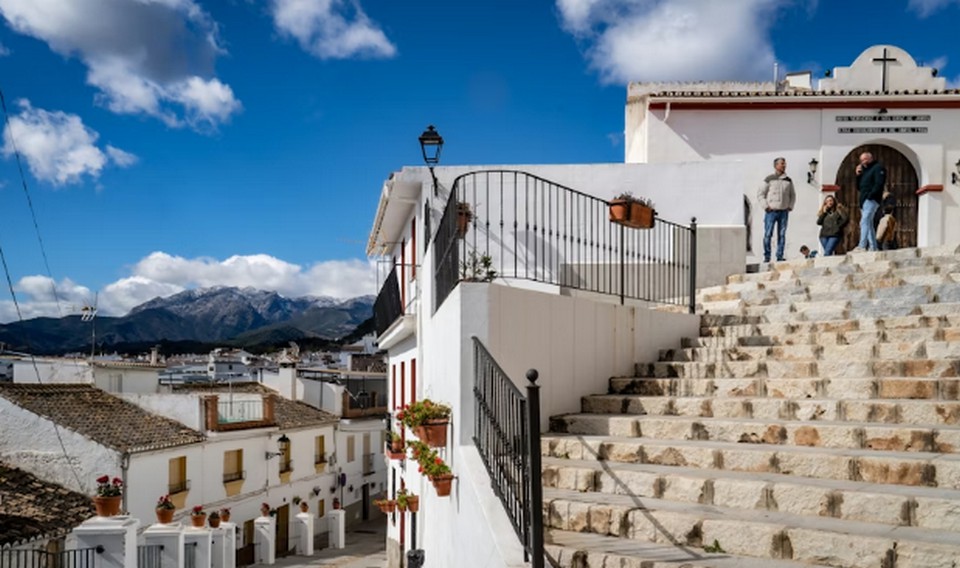
In many Spanish towns, leisure time is no longer quite what it was ten years ago. The usual activities still exist, but they coexist with new habits brought about by mobile phones, tourism, and remote work. Even when people look for online entertainment options, they do so with a different mindset: comparing, researching, and making a calm decision. If you’re interested in this digital aspect, at Slotozilla you can find organized information about real money casinos, bonuses, and terms and conditions—something that fits quite well with this new, more conscious and less impulsive form of leisure.
1) A silent change in the life of the people
In 2026, leisure activities in small towns are on the rise. Not because everything has suddenly become modern, but because three things have changed simultaneously: digital culture (you find out about plans in seconds), tourist patterns (more short breaks, more weekends), and certain lifestyle trends (wellness, nature, peaceful activities). The result is interesting: there are more options, but also a greater desire for simple plans that feel authentic.
2) The rise of local cultural events
Towns have rediscovered a powerful idea: when something happens in the town square, people come out. Festivals, open-air dances, concerts, craft markets, food tours, street theater, and neighborhood celebrations are taking center stage on the calendar.
Why do they work so well?
- They are accessible (you don’t need to «organize a trip»).
- They have a strong social component (you run into everyone).
- They attract visitors without disrupting local life (if managed well).
- They revalue what is their own: music, food, crafts, traditions.
In addition, many city councils and associations have improved the way they communicate these plans: posters yes, but also Instagram, neighborhood groups and shared events.
3) Digital influence and networks: “word of mouth” is now online
In small towns, word of mouth still reigns supreme, but it has changed its platform. Now it lives in WhatsApp groups, local Facebook pages, town Instagram accounts, Telegram channels, and chat rooms of sports or cultural associations.
This changes leisure in two ways:
- Faster dissemination: a concert that used to be known by half the region, now fills up because the poster circulates in an afternoon.
- Micro-communities: young people (and not so young) organize themselves around interests: photography, hiking, board games, running, gardening, electronic music, cinema.
And what’s most interesting: these networks help people «join» with less friction. There’s no need to call anyone; just react, ask, and get involved.
4) Nature and relaxation: the star plan without a big budget
There’s a clear trend: more people are choosing outdoor activities, and not just to save money. Hiking, cycling, picnics in the park, swimming in rivers, rural sports, and long walks are becoming increasingly popular as leisure activities.
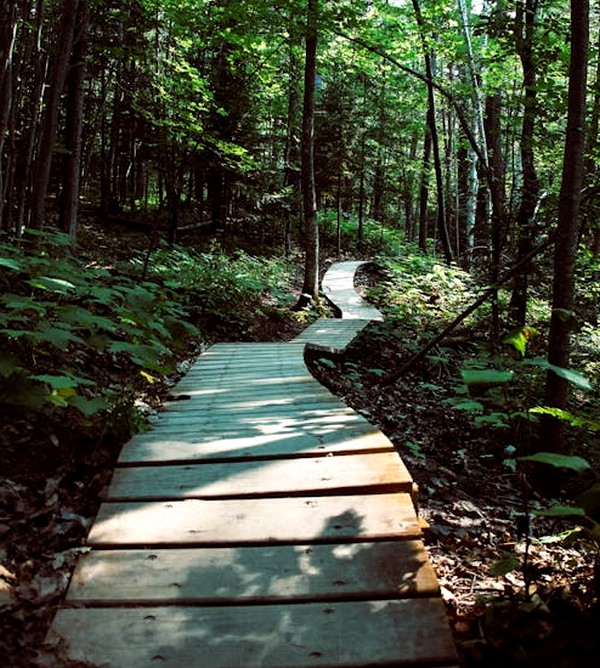
It makes sense in small towns:
- You are two minutes from the field.
- The plan is flexible: one hour or the whole morning.
- It’s easy to do in a group or alone.
- It fits with the idea of »unplugging» without a screen.
There is also a beautiful intersection between tradition and well-being: walking along familiar paths, but with a new mindset (taking care of yourself, breathing, slowing down).
5) Creative spaces and hobbies: learning and socializing at the same time
Another new development is that leisure no longer depends solely on the bar or the town square. In many towns, spaces are appearing (or being reborn) that blend creativity, learning, and social life: active cultural centers, workshops for ceramics, painting, sewing, photography, cooking, book clubs, small shared studios, and even coworking with activities.
These places usually serve a dual purpose:
- They give you a concrete plan (you don’t have to «invent» your leisure time).
- They connect you with people with similar interests.
And, for those arriving from outside (teleworkers, young couples, people returning to the village), they are a gateway to integration without forcing it.
6) Teleworking and new rhythms: cafes, meetups and affinity clubs
Remote work and the arrival of «nomadic» or semi-urban individuals in small towns are changing leisure activities. Not necessarily because they’re coming to «transform» anything, but because they bring different schedules and customs: morning coffees, get-togethers after work, weekday activities, and social clubs.
Plans that were previously rare in small towns are now appearing:
- Coworking + coffee meetups.
- Relaxed after-work drinks (not necessarily a party).
- Language exchange groups.
- Hiking clubs with short weekday routes.
Table: How leisure is changing in small towns
| Before (more typical) | Now (increasingly common) | What drives him |
| Specific holidays on specific dates | More consistent calendar of events | Tourism + better promotion |
| Leisure focused on “going out” at night | Afternoon and outdoor plans | Wellbeing + nature |
| Socializing in familiar circles | Micro-communities based on interests | Local groups and networks |
| Few activities during the week | Post-work plans and workshops | Remote work + new schedules |
Closing
Leisure in small towns isn’t «replacing» the traditional; it’s adding layers. More local culture, more nature activities, more creative spaces, and a social life that unfolds both on the street and on your phone. Ultimately, the good news is simple: there are more ways to have fun without losing the small-town spirit.
