
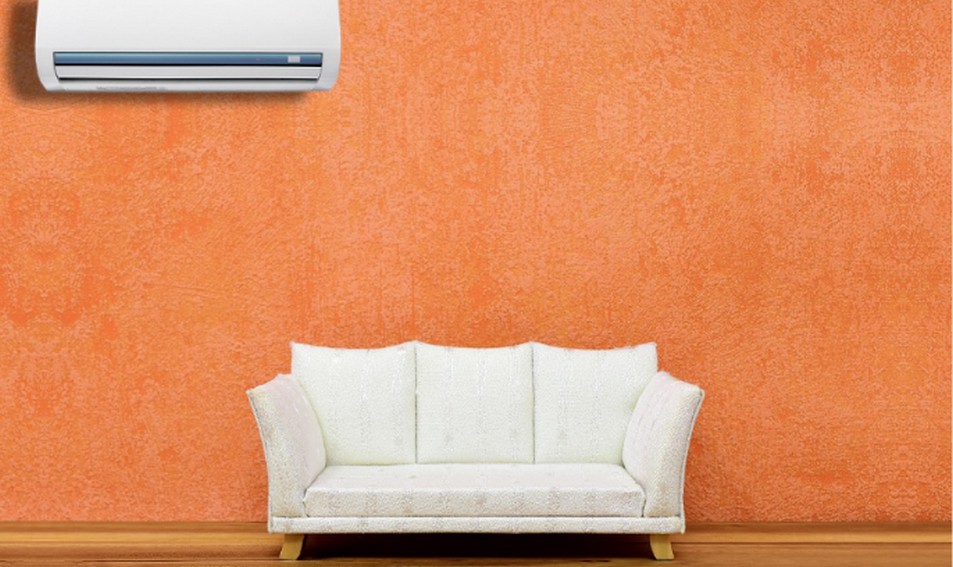
Aerothermal energy has established itself as one of the most efficient and sustainable solutions for heating, cooling, and domestic hot water production in the home. However, before installing an aerothermal system in your home, it’s essential to consider several key aspects to ensure a sound and profitable investment. In this article, we explain everything you need to know to take the plunge into this innovative technology.
What is aerothermal energy and how does it work?
Aerothermal energy is a technology that uses outside air as its primary energy source to generate heating, cooling, and domestic hot water. It works by means of a heat pump that extracts heat from the air, even in extremely cold conditions, and transfers it to the interior of the home. Furthermore, the same system can be reversed to cool the home in summer, making it a comprehensive year-round solution.
Key aspects to consider before an aerothermal installation
For the aerothermal installation to be successful and meet your needs, it is important to analyze different factors:
- Climate conditions in your region
Aerothermal energy is efficient even in cold climates, but its performance may vary in extreme weather conditions.
- Recommendation: Consult a professional to evaluate the characteristics of your machine when installing an air source heat pump if the climatic conditions in your area are extreme.
- Thermal insulation of the house
Good thermal insulation is essential to maximize the efficiency of an air source heat pump system. Along with planning your home’s aerothermal system installation, it is also important to use digital marketing for home servicesto reach homeowners who are actively looking for energy-efficient solutions. You can take a help from a renownedSEO expertfor all these things.
If your home has heat leaks or poor insulation, the system will have to work harder to maintain the desired temperature, increasing energy consumption.
- Recommendation: Make sure windows, walls, and ceilings are well insulated before proceeding with installation.
- Space available for installation
Aerothermal systems require outdoor space to install the heat pump unit, which will be responsible for extracting heat from the air. Additionally, you will need space inside the home for the hydraulic module and, if necessary, for a domestic hot water storage tank.
- Recommendation: Evaluate whether your home has adequate space, both inside and out, to accommodate these components. In most cases, installing a domestic hot water tank and a buffer tank is recommended to optimize the machine’s performance.
- Energy demand
The size and capacity of the heat pump system should be adapted to your home’s energy needs. This will depend on the number of occupants, the size of the house, and how you will use the system (heating, cooling, or hot water).
- Recommendation: Conduct an energy analysis with a qualified technician to properly size the system.
Costs and return on investment
Although the initial investment for installing an air source heat pump can be high compared to traditional systems, the long-term economic benefits make it a cost-effective option. Air source heat pumps can reduce energy consumption by up to 70% compared to gas or oil boilers.
- Recommendation: Check the subsidies available in your autonomous community and take advantage of tax incentives, such as deductions in personal income tax or reductions in property tax.
Compatibility with existing heating systems
Aerothermal systems integrate easily with low-temperature heating systems, such as underfloor heating or low-emission radiators. However, in older installations with traditional radiators, adjustments may be required to ensure optimal performance.
- Recommendation: If your home has old radiators, consider replacing them with more efficient options or opting for a hybrid system.
Advantages of aerothermal energy compared to other systems
Choosing aerothermal energy has multiple benefits compared to more traditional technologies:
- Energy efficiency: Its performance can exceed 300%, meaning it generates more energy than it consumes.
- Sustainability: It uses a renewable source like air, reducing CO₂ emissions and contributing to environmental protection.
- Versatility: Provides heating, cooling and domestic hot water in a single system.
- Reduced maintenance: Requires fewer interventions than fossil fuel boilers, resulting in lower maintenance costs.
Is aerothermal energy suitable for all homes?
Although aerothermal energy is a versatile solution, not all homes are suitable for its installation. The factors mentioned above, such as climate, available space, and thermal insulation, are crucial in assessing its viability. Furthermore, its performance is more efficient in newly built homes or those that have been renovated to improve their energy efficiency.
- Recommendation: Before making a decision, consult with a professional installer who can conduct a technical study and offer personalized advice.
Conclusion: Is it worth installing an air source heat pump?
Aerothermal energy is an efficient, sustainable, and versatile technology that can meet home heating and hot water needs. However, its success depends on proper planning and the assessment of key factors such as climate, insulation, and energy demand.
If you’re considering installing an air source heat pump, be sure to work with professionals who can design a system tailored to your home’s characteristics and your needs. With the initial investment, you’ll not only save on energy costs in the long run, but you’ll also contribute to a cleaner and more sustainable energy model. The future of comfort is in air source heat pumps!
