
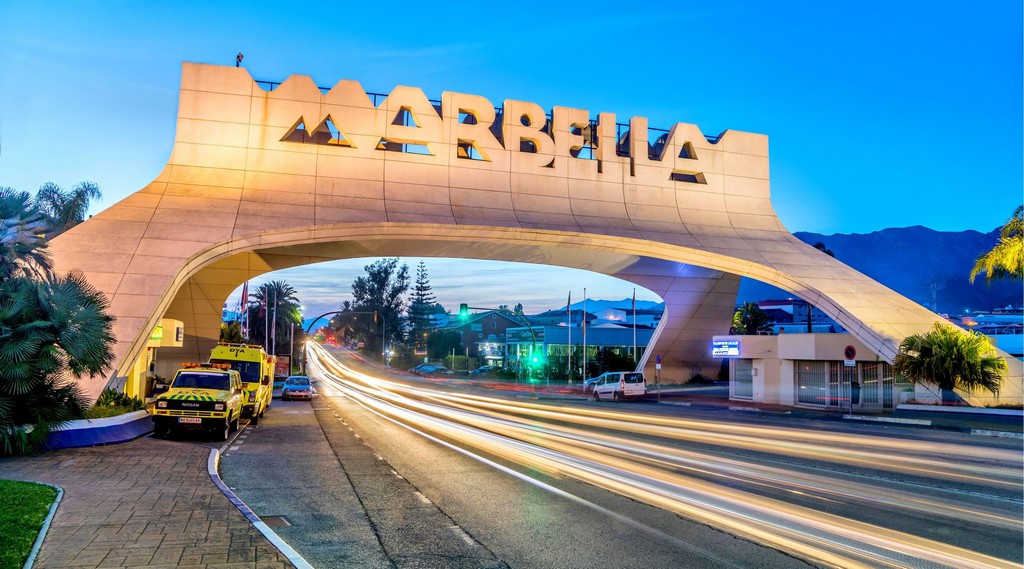
The luxury rental market in Marbella is shifting in a clear direction. High-end tenants are no longer relying solely on hotels for extended stays. Instead, 3–12 month rentals are becoming the preferred option, shaped by lifestyle flexibility, privacy expectations, and changing work patterns.
Data from Idealista Spain rental market insights shows a steady increase in demand for medium and long-term stays across premium coastal areas, with Marbella standing out as one of the strongest performers.
This is not a short-term adjustment. It reflects a deeper change in how luxury travel is being defined.
Hotels are no longer the default for long stays
Hotels once dominated extended luxury stays, especially for seasonal visitors and business travellers. That model is weakening.
High-end tenants now expect more space, more privacy, and more control over daily life. A hotel suite, even a premium one, often falls short when stays extend beyond a few weeks.
Rental properties offer a different structure. They allow guests to settle into routines, cook, work remotely, and entertain without the constraints of hotel schedules or shared spaces.
This is where Marbella rental apartments have become central to the market shift, particularly among long-stay visitors who want comfort combined with location flexibility.
Marbella as a long-stay luxury destination
Marbella has evolved beyond its traditional image as a short-stay holiday resort. It now operates as a semi-residential destination for international tenants, remote professionals, and seasonal residents.
The appeal is not only the climate. It is the infrastructure that supports extended living: international schools, healthcare services, beach clubs, golf resorts, and year-round dining options.
This combination has created a rental ecosystem where stays of several months are becoming normal rather than exceptional.
In practical terms, Marbella rental apartments are increasingly occupied for 90 to 365 days at a time, particularly in areas close to the coastline and town centre.
According to market data, demand is reshaping supply
According to Idealista Spain rental market insights, long-term rental listings in coastal luxury markets have seen increased competition, with properties being secured faster and held for longer durations.
This reflects a structural imbalance. Demand for quality long-stay housing is rising faster than supply in prime Marbella locations.
As a result, landlords are adapting pricing models and lease flexibility to match tenant expectations. Monthly stays are no longer treated as transitional arrangements but as stable occupancy periods.
The lifestyle logic behind 3–12 month stays
The shift away from hotels is not purely financial. It is lifestyle-driven.
High-end tenants are prioritising control over their environment. A long-stay rental allows them to create a stable base while still maintaining mobility between countries or cities.
There is also a practical element. Remote work and hybrid business models mean many tenants no longer need to return home between trips. Instead, they extend stays and integrate work and leisure in the same location.
This is particularly evident in Marbella, where seasonal living blends easily with professional routines.
How apartments are replacing hotel suites
The structure of demand has changed what is considered “luxury accommodation.”
Instead of concierge services and room service, tenants now value kitchens, private terraces, dedicated workspaces, and secure residential buildings.
This has elevated the importance of fully equipped apartments designed for longer occupancy.
Many apartments to rent in Marbella now include features that were once associated with private homes rather than rental properties: multiple bedrooms, storage space, outdoor dining areas, and high-speed connectivity for remote work.
The middle ground between ownership and hotels
Long-stay rentals now sit between two traditional options: hotel living and property ownership.
For many high-income tenants, buying property is not a priority, particularly for seasonal or semi-permanent stays. At the same time, hotels do not offer the independence required for longer durations.
Rental apartments fill this gap by offering flexibility without long-term commitment.
This middle ground is where Marbella has seen the strongest growth, especially in gated communities and coastal developments.
Seasonal patterns and rental stability
Unlike traditional holiday markets, long-stay luxury rentals are less dependent on peak tourist weeks.
Instead, they follow seasonal blocks. Winter and spring often attract retirees and remote professionals, while summer brings families and extended holiday stays.
This creates more stable occupancy cycles for landlords and more predictable living arrangements for tenants.
In many cases, apartments in Marbella are secured months in advance, particularly for the high season period.
The role of amenities in long-stay decisions
Amenities now play a critical role in decision-making.
Tenants are not just comparing properties based on size or location. They are assessing how well a home supports daily living over several months.
Key expectations include:
- Reliable internet for remote work
- Private outdoor space
- Access to gyms or wellness facilities
- Security and privacy
- Walkable access to shops and restaurants
Properties that meet these requirements tend to achieve longer tenancy durations and higher retention rates.
Economic stability and rental demand
Broader economic patterns are also influencing the market.
While local employment data in smaller Spanish municipalities shows modest fluctuations, with sectors like Services and Industry leading job activity, luxury rental demand in Marbella remains largely insulated from local employment cycles.
This is because a significant portion of tenants are international, with income sources outside the local economy.
As a result, demand is driven more by lifestyle migration and mobility than by local job market conditions.
Why Marbella remains dominant in the luxury rental segment
Marbella continues to outperform many comparable coastal destinations due to its established luxury infrastructure.
It offers a rare combination of accessibility, climate, and international community presence. This makes it suitable not just for holidays, but for extended living.
Golf resorts, marinas, wellness centres, and international dining options all contribute to a living environment that supports long stays.
This ecosystem is what sustains demand for both short-term and extended rental apartments across the region.
The future of long-stay luxury rentals
The direction of the market suggests continued growth in 3–12 month stays.
Hotels are unlikely to disappear from the luxury travel landscape, but their role is becoming more specialised, focused on short stays and high-turnover tourism.
Rental apartments, on the other hand, are becoming the default choice for extended luxury living.
This shift is likely to continue as remote work expands, travel becomes more flexible, and lifestyle-driven relocation increases.
Conclusion
The rise of long-stay luxury rentals in Marbella reflects a broader change in how high-end tenants define travel and residence.
Instead of brief hotel stays, many now prefer months-long living arrangements that offer stability, privacy, and control.
Supported by Idealista Spain rental market insights, demand for apartments continues to grow, reshaping the structure of the local luxury rental economy.
Marbella is no longer just a destination for holidays. It is becoming a place where extended living is normalised, and where luxury is defined by time as much as by space.